Light Therapy at MIT
Mitigating Seasonal Affective Disorder Across Campus
As a fourth-year PhD student in EECS at the Massachusetts Institute of Technology, I created Light Therapy at MIT—a community wellness initiative conceived, funded, and deployed to combat Seasonal Affective Disorder (SAD) and winter depression among students and researchers.
(Read the full feature on my work in MIT News.)
Background & Personal Context
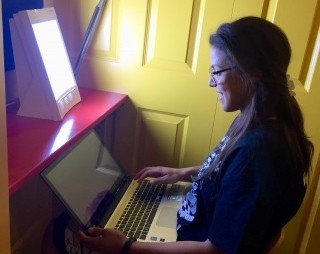
Moving to Boston from California, I was initially terrified of the harsh New England winter. During my second winter, working long hours between my office, the lab, and the gym in the Ray and Maria Stata Center, I developed severe wrist pain and fatigue. A doctor diagnosed me with a vitamin D deficiency linked to a lack of sunlight.
Once I started taking supplements, spending extra time walking in the morning sun, and using a light box at my desk, my mood lifted and my physical symptoms cleared up within a couple of weeks. When the MindHandHeart Innovation Fund launched, it felt like a natural step to bring light boxes to campus spaces so others could experience that same relief.
Clinical research demonstrates that daily exposure to artificial light therapy effectively treats SAD by mimicking natural outdoor light to regulate circadian rhythms and melatonin levels in the hypothalamus. However, high-grade phototherapy lightboxes can be bulky and expensive for individual students to purchase.
Project Execution & Campus Deployment
Supported by the MIT MindHandHeart Innovation Fund, I proposed and executed a campus-wide phototherapy deployment plan:
1. EHS Approval & Safety Coordination
I coordinated with MIT Environment, Health & Safety (EHS) and MIT Medical to establish safety guidelines and provide contact info for campus wellness resources.
2. Strategic Placement and Campus Outreach
To maximize impact, I reached out to various mailing lists, requesting that project announcements be forwarded to dorms and laboratories. I strategically placed light therapy stations in high-traffic shared spaces across several dorms and residences, in addition to the CSAIL phone booths within the Stata Center.
3. User Autonomy and Light Management
A primary requirement for the project was ensuring that light usage remained strictly voluntary for students. I prioritized user comfort by giving everyone full control to switch the lamps on or off based on their personal preference. Furthermore, I carefully installed the equipment; for instance, inside the Stata Center phone booths, I angled the lamps away from the windows to ensure that passersby were not subjected to unintentional light exposure. I also collected ongoing feedback via suggestion boxes and my project website to evaluate the pilot's success.
Outcomes & Legacy
- Institutional Funding: Successfully secured initial grant funding from MindHandHeart's inaugural Innovation Fund round.
- Mental Health Awareness: Educated the campus community about SAD—a condition that Massachusetts residents are particularly vulnerable to during long winter months.
- Campus Adoption: The pilot project served as a template for expanding mental health support and student-led wellness initiatives across MIT dormitories and departments.